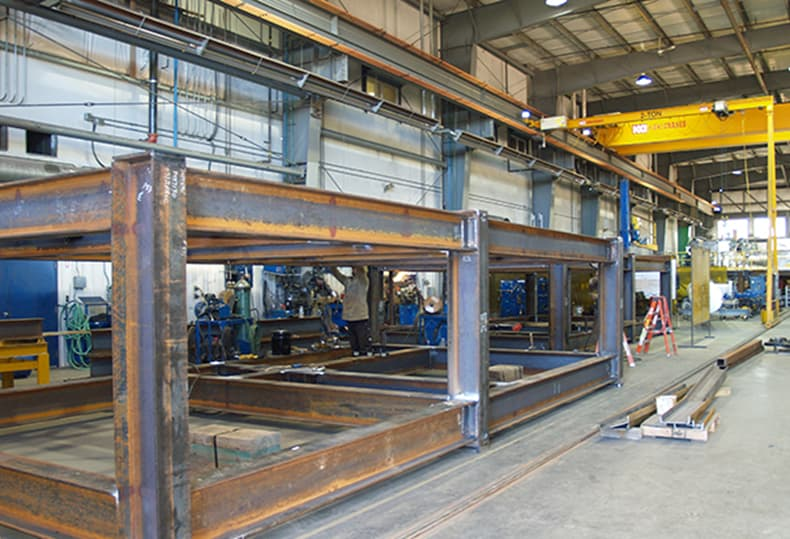
When planning a commercial warehouse, an agricultural distribution center, or a heavy industrial workspace in the Wairarapa, the steel framework forms the literal backbone of your capital investment. In modern commercial construction, it can be highly tempting to look outward, outsourcing prefabricated structural steel components from high-volume production hubs located in major industrial centers. On paper, these remote factories often promise minor economies of scale. However, when those massive steel members cross regional boundaries, project managers frequently encounter unexpected logistical bottlenecks, severe shipping delays, and communication breakdowns that quickly erase any theoretical upfront savings.
Choosing a Masterton-based fabrication partner ensures your structural steel is engineered, detailed, and manufactured with a deep, intuitive understanding of local environmental factors while keeping your building timeline completely agile and resilient.
Adapting to Rigid Regional Environmental Conditions
The Wairarapa and greater Wellington regions present a highly unique combination of environmental and geographic challenges that distant, high-volume suppliers rarely account for in their standard production lines. Our local valley topography creates localized wind-loading zones, where wind speeds funneling through mountain gaps can exert immense, sudden lateral forces on wide-span buildings. Furthermore, our region sits directly atop active seismic fault lines, meaning commercial buildings must be designed with strict structural ductility—the calculated ability of a steel frame to safely absorb, flex, deform, and dissipate energy during an earthquake without suffering catastrophic material failure.
A Masterton-based engineering firm lives, designs, and manufactures within these local regulatory guidelines daily. Our local team understands exactly how New Zealand’s structural steel standards apply to the specific ground conditions, snow loads, and high-wind categories of the Wairarapa valley. This local oversight ensures that every portal frame, structural truss, connection cleat, and cross-bracing member is fabricated correctly right from the initial workshop phase.
Furthermore, local designers are intimately familiar with the microclimates of our region. For example, a building destined for an exposed rural or coastal spot in the southern Wairarapa requires vastly different surface treatment protocols—such as specialized hot-dip galvanizing or high-build epoxy paint systems—compared to a sheltered indoor storage warehouse in town. Out-of-town fabricators running standardized, rapid production lines often miss these fine regional nuances, exposing your structure to premature corrosion or structural degradation over time.
Eliminating Transit Friction & Hidden Shipping Costs
Transporting massive, awkward structural steel members across regional highways introduces major logistics, timing, and safety risks that can jeopardize a project budget:
-
Physical Damage in Transit: Long-haul trucking over winding roads increases the risk of twisted steel members, warped connection plates, and severe scratching to defensive zinc primers or intumescent fire-retardant coatings.
-
Scheduling Alignment: Coordinating a long-distance freight delivery to arrive at the exact hour an on-site installation crew and mobile crane are ready is incredibly difficult. If the truck is delayed by highway traffic, you pay for an idle site crew; if it arrives early, you may not have space to store the load safely.
-
Oversized Load Expenses: Moving large steel spans across regional boundaries accumulates costly highway permits, strict travel time restrictions, and mandatory pilot vehicle escort fees.
By partnering with a Masterton workshop, the journey from the fabrication floor to the construction site is a short, highly controllable trip. This proximity drastically reduces freight costs, minimizes the carbon footprint of your build, and keeps your multi-stage assembly schedule entirely predictable. If weather patterns turn unexpectedly, a local supplier can immediately pause or accelerate deliveries to match conditions on the ground, whereas a long-haul truck already en route cannot be easily recalled or rescheduled without hefty holding fees.
Dynamic Adaptability When Plans Change
Even on the most meticulously managed jobsites, unexpected variations frequently occur once the ground is broken, earthworks are completed, and concrete foundations are poured. If an on-site anchor bolt alignment deviates by just a few millimeters due to a concrete pouring variance, or if an urgent design modification is requested mid-build to accommodate a new piece of commercial machinery, working with a distant supplier can halt progress for weeks while pieces are shipped back to a distant factory.
When you work with a local Masterton workshop, engineering issues are resolved in a matter of hours rather than weeks. A local team can dispatch a qualified fabricator straight to the site with specialized mobile tooling, or pull a component back into the workshop for immediate modification. This rapid-response capability ensures your foundation, framing, and roofing sub-contractors keep moving forward without expensive stoppages, preventing contractual disputes and keeping your ultimate opening date on track.